


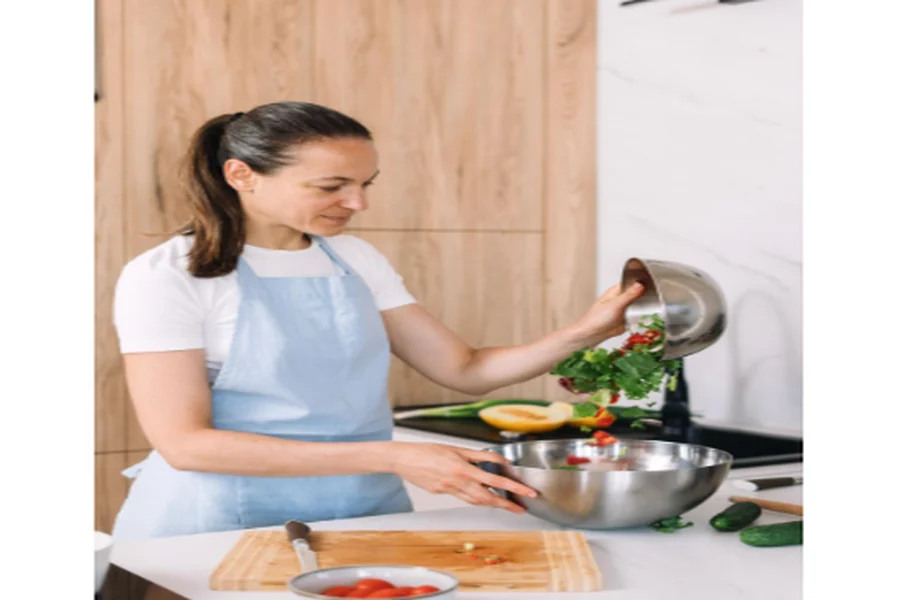
The Shift Toward More Intentional Eating
Health and wellness habits have evolved significantly in recent years. Instead of focusing only on calorie counting or restrictive diets, many people are now paying closer attention to ingredient quality, food preparation, and the overall experience of eating. Fresh ingredient cooking has become increasingly popular because it encourages healthier choices while also making meals feel more enjoyable and satisfying.
Part of this shift comes from growing awareness about processed foods and heavily packaged meals. Many consumers have started reading ingredient labels more carefully and questioning how their food is sourced and prepared. As a result, home cooking has become more than just a practical activity. For many households, preparing meals with fresh ingredients now represents a lifestyle choice connected to wellness, balance, and long term health.
This renewed interest in ingredient quality has also encouraged people to explore more premium proteins and nutrient rich meal options. Some households experiment with seasonal vegetables, lean meats, and fresh seafood while researching where to buy lobster for home dinners as part of creating more elevated and health conscious meals at home. Instead of relying heavily on processed convenience foods, many people are becoming more intentional about preparing dishes that feel both nourishing and enjoyable.
Why Fresh Ingredients Support Better Wellness
Fresh ingredients often provide nutritional benefits that highly processed foods cannot easily match. Fruits, vegetables, herbs, and fresh proteins generally contain fewer preservatives and allow people greater control over sodium, sugar, and unhealthy fats. Preparing meals at home also helps individuals understand exactly what goes into their food, making it easier to support personal health goals.
Another reason fresh ingredient cooking supports wellness is because it encourages mindful eating habits. Meals prepared carefully at home are often eaten more slowly and appreciated more fully than fast food or packaged meals consumed on the go. This slower pace allows people to pay closer attention to hunger cues, portion sizes, and overall satisfaction.
The cooking process itself can also positively affect mental wellbeing. Many people find meal preparation calming because it creates a break from constant digital distractions and busy schedules. Chopping vegetables, preparing ingredients, and focusing on recipes can feel surprisingly therapeutic after long workdays filled with stress and multitasking.
The Rise of Home Cooking Culture
Social media, cooking platforms, and wellness influencers have contributed heavily to the rise of fresh ingredient cooking. Recipe creators now emphasize approachable meals that combine flavor, nutrition, and simplicity rather than overly complicated techniques. This accessibility has helped more people feel confident preparing balanced meals at home.
Years ago, restaurant quality dishes often seemed difficult for ordinary households to recreate. Today, however, cooking tutorials have simplified techniques that once felt intimidating. People are learning how to prepare healthier versions of favorite comfort foods while experimenting with ingredients that previously felt unfamiliar or expensive.
This growing confidence has encouraged many households to diversify their meals. Instead of preparing the same dishes repeatedly, people are trying seasonal recipes, lighter cooking methods, and fresh proteins that support a more balanced lifestyle. The emphasis is no longer only on convenience but also on enjoyment, quality, and nutrition.
Fresh Cooking Encourages Better Habits
One important advantage of cooking with fresh ingredients is that it naturally encourages healthier daily habits. People who prepare meals at home often become more aware of food choices, grocery planning, and portion control. This awareness can gradually lead to more consistent eating patterns and improved overall wellness.
Fresh cooking also promotes stronger family connections. Many households now view meal preparation as shared time rather than a chore completed individually. Cooking together encourages communication, teamwork, and more intentional family routines. These social benefits are often overlooked but can significantly contribute to emotional wellbeing and stress reduction.
Financially, fresh ingredient cooking can also become more sustainable over time. Although premium ingredients may initially seem expensive, preparing meals at home is often more affordable than relying regularly on restaurants or delivery services. Families can prioritize ingredient quality while still controlling overall food costs more effectively.
Wellness Is Becoming More Holistic
Modern wellness routines increasingly focus on balance rather than perfection. Instead of pursuing unrealistic standards, many people are prioritizing habits that feel sustainable and enjoyable over long periods of time. Fresh ingredient cooking fits naturally into this mindset because it combines nutrition, creativity, relaxation, and social connection in one daily activity.
Presentation also plays a subtle role in making healthy meals feel more satisfying. Thoughtfully plated dishes, colorful vegetables, fresh herbs, and balanced portions can transform ordinary meals into experiences that feel comforting and rewarding. This emotional satisfaction often helps people maintain healthier habits more consistently.
As confidence in the kitchen continues growing, many individuals are experimenting with meals they once avoided preparing themselves. Some households focus on grilled vegetables, lean proteins, or homemade soups, while others enjoy exploring refined seafood inspired dishes and cooking restaurant-quality tuna at home as part of creating balanced meals that feel both nutritious and enjoyable without becoming overly restrictive.
Ultimately, fresh ingredient cooking has become part of modern wellness routines because it supports both physical and emotional health in practical ways. It encourages mindfulness, improves ingredient awareness, and helps people build healthier relationships with food. Most importantly, it reminds people that wellness is not only about strict diets or intense routines. Sometimes the healthiest habits begin with slowing down, preparing thoughtful meals, and enjoying the process of eating well.
