


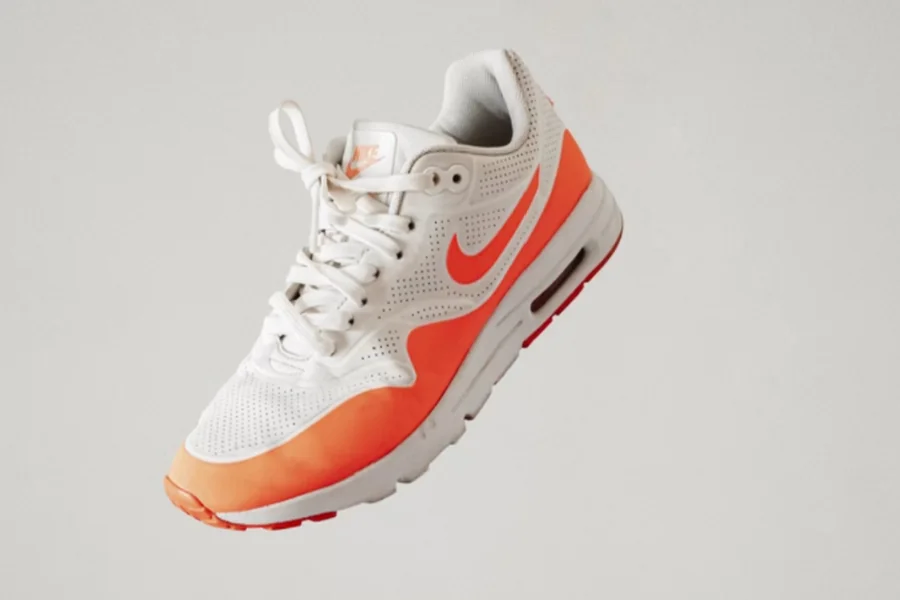
For men who wear size 15 shoes, the search for footwear that balances style with comfort often feels like navigating a market designed for everyone else. The reality is stark: most retailers stock limited inventory in extended sizes, and when larger shoes do appear, they’re frequently relegated to purely functional designs that sacrifice aesthetic appeal. This scarcity becomes particularly pronounced in specialized categories like western footwear, where craftsmanship and distinctive styling are paramount.
The stakes extend beyond mere fashion preferences. According to the American Orthopaedic Foot & Ankle Society, improper footwear contributes to a cascade of musculoskeletal problems, from bunions and plantar fasciitis to chronic knee and back pain. For those wearing size 15, the margin for error narrows considerably—shoes that don’t accommodate larger feet properly can accelerate these conditions.
A proper fit requires attention to several critical factors:
- The toe box should mirror your foot’s natural shape, allowing toes to spread without compression
- Heel counters must provide stability without creating pressure points or allowing excessive movement
- Arch support should align with your foot’s biomechanics, not a generic template
- The shoe’s interior should feel uniform, without seams or irregularities that signal future hot spots
These considerations become exponentially more important in extended sizes, where manufacturing inconsistencies are more common and the consequences of poor fit more severe. Understanding what constitutes a proper fit isn’t just about immediate comfort—it’s about preserving mobility and foot health over decades of wear.
The Health Imperative of Proper Fit
The connection between shoe fit and long-term health outcomes has been extensively documented in podiatric research. When shoes fail to accommodate the foot’s natural structure—particularly in larger sizes where biomechanical forces are amplified—the body compensates through altered gait patterns that ripple upward through the kinetic chain.
Research published by the National Institutes of Health demonstrates that ill-fitting footwear doesn’t just cause localized foot pain; it fundamentally alters how weight transfers through the body during movement. This misalignment can manifest as knee deterioration, hip dysfunction, and chronic lower back strain—conditions that often aren’t traced back to their footwear origins until significant damage has occurred.
For size 15 wearers, the challenge intensifies because many manufacturers simply scale up smaller sizes rather than engineering shoes specifically for larger feet. This approach fails to account for how foot proportions and pressure distribution change at extended sizes. The result is footwear that technically fits the length measurement but fails in width, arch placement, and structural support.
To ensure your size 15 shoes provide genuine support rather than just adequate length:
- Measure both feet late in the day when natural swelling peaks, as size 15 feet often experience more pronounced volume changes.
- Verify that the widest part of the shoe aligns with the widest part of your foot, not just that your toes reach the appropriate position.
- Test heel fit by attempting to slide your finger between your heel and the shoe’s counter—there should be resistance but not painful pressure.
- Walk on varied surfaces during fitting, paying attention to whether your foot slides forward on inclines or feels unstable on turns.
The investment in properly fitted shoes pays dividends that extend far beyond the initial purchase, potentially preventing thousands in medical interventions down the line.
Athletic Performance in Extended Sizes
The running shoe market has historically treated extended sizes as an afterthought, but recent biomechanical research has forced manufacturers to reconsider this approach. Size 15 running shoes must address fundamentally different engineering challenges than their smaller counterparts—greater impact forces, altered pronation patterns, and increased material stress all demand specialized design solutions.
Modern performance running shoes in size 15 incorporate several critical features:
- Reinforced midsole geometry: Extended sizes require denser foam compounds and wider platforms to prevent compression failure and maintain energy return through thousands of foot strikes
- Enhanced heel counters: Larger feet generate more rotational force during the gait cycle, necessitating stiffer heel cups that resist excessive motion without creating pressure points
- Engineered mesh uppers: Breathability becomes crucial in larger shoes where internal volume and heat generation increase proportionally with size
- Outsole durability: The rubber compounds and tread patterns must withstand greater abrasion from increased body weight and longer stride lengths typical of taller runners
According to testing data from Runner’s World, the performance gap between properly engineered extended-size running shoes and scaled-up versions of standard models becomes apparent within 50 miles of use. Shoes designed specifically for larger feet maintain structural integrity and cushioning properties significantly longer, translating to better injury prevention and more consistent performance.
For serious runners wearing size 15, the difference between adequate and optimized footwear can mean the distinction between sustainable training and chronic injury cycles. The market has improved considerably in recent years, with major manufacturers now offering dedicated extended-size lines rather than simple size extensions of existing models.
Western Footwear’s Distinctive Engineering
Western boots and shoes occupy a unique position in the footwear landscape, where traditional craftsmanship intersects with specific functional requirements. The distinctive architecture of western footwear—elevated heels, pointed toes, and structured shafts—presents particular challenges when scaled to size 15, where proportional relationships become critical to both aesthetics and wearability.
Authentic western footwear construction relies on techniques that have remained largely unchanged for over a century. Full-grain leather uppers are pulled over wooden lasts, Goodyear welt construction joins uppers to leather soles, and heel stacks are built from layered leather rather than synthetic compounds. These methods become more complex in extended sizes, where material thickness must increase to maintain structural integrity without creating excessive weight or rigidity.
The heel pitch in western boots—typically between one and two inches—serves a functional purpose beyond aesthetics. This elevation positions the foot optimally for stirrup use while shifting weight distribution in ways that reduce fatigue during extended standing. In size 15 boots, maintaining this geometry requires careful calculation; too steep an angle creates instability, while insufficient pitch negates the ergonomic benefits that define western footwear.
Modern western bootmakers have begun incorporating contemporary materials and construction methods while preserving traditional aesthetics. Memory foam insoles replace flat leather footbeds, synthetic welt stitching supplements traditional thread, and rubber outsole sections provide traction where leather would wear too quickly. For those searching for size 15 footwear that blends western-inspired styling with modern comfort features, retailers such as Big Shoes have expanded their selections to include both classic western designs and contemporary interpretations. Comparable retailers like Oddball and DXL also offer extended-size footwear collections that cater to customers seeking larger sizes without sacrificing style, comfort, or variety.
The resurgence of western fashion in mainstream menswear has fortunately coincided with improved manufacturing capabilities for extended sizes, creating more options than ever for size 15 wearers who appreciate the distinctive profile of western footwear.
Navigating the Sneaker Market
The contemporary sneaker landscape offers unprecedented variety, but this abundance doesn’t translate equally across all size ranges. For size 15 wearers, the sneaker market presents a paradox: while athletic performance models are increasingly available in extended sizes, lifestyle and fashion sneakers often remain scarce beyond size 13.
When evaluating size 15 sneakers, several factors warrant particular attention:
- Last shape consistency: Different sneaker categories use different last shapes, meaning your size 15 in running shoes may not correspond to size 15 in basketball or casual sneakers from the same manufacturer.
- Material behavior: Leather and synthetic uppers age differently in extended sizes, with some materials becoming more accommodating over time while others maintain their initial dimensions.
- Sole unit proportions: Midsole height and outsole width should scale appropriately with shoe size; disproportionate sole units create instability and unnatural gait patterns.
- Construction quality: Extended sizes place greater stress on adhesives and stitching, making construction quality more critical than in smaller sizes where material failures are less common.
The rise of direct-to-consumer footwear brands has created new opportunities for size 15 wearers, as these companies often maintain deeper inventory in extended sizes than traditional retailers bound by physical shelf space constraints. However, the inability to try shoes before purchase makes understanding each brand’s sizing philosophy essential.
Industry sizing standards, governed by organizations like the ASTM International, provide baseline measurements, but individual manufacturers interpret these standards with considerable latitude. A size 15 from one brand may measure a full centimeter longer or wider than another brand’s size 15, making brand-specific sizing research worthwhile before committing to a purchase.
For those prioritizing both western aesthetic and sneaker comfort, hybrid designs have emerged that incorporate western styling cues—leather uppers, decorative stitching, stacked heel elements—into sneaker constructions with modern cushioning and flexibility. These crossover designs address a previously underserved niche for size 15 wearers seeking versatility without sacrificing style.
Why Size Matters Beyond Measurement
The significance of size 15 footwear extends beyond simple dimensional accommodation. Larger shoe sizes correlate with specific biomechanical realities that influence everything from gait efficiency to injury susceptibility. Understanding these relationships helps explain why proper fit in extended sizes demands more than proportional scaling of smaller designs.
Foot size generally correlates with height and overall body mass, meaning size 15 wearers typically generate greater ground reaction forces during walking and running. These amplified forces accelerate material degradation and require more robust structural support than smaller sizes. Shoes that perform adequately for a size 10 wearer may fail prematurely or provide insufficient support when subjected to the forces generated by someone wearing size 15.
The practical implications manifest across several dimensions:
- Style accessibility: Extended sizes have historically been excluded from fashion-forward designs, but growing market recognition has expanded options in categories like western footwear where craftsmanship and aesthetics are paramount.
- Comfort engineering: Proper cushioning, arch support, and pressure distribution become more complex in larger shoes where the foot’s surface area and weight-bearing requirements increase substantially.
- Longevity considerations: Size 15 shoes experience accelerated wear patterns, making construction quality and material selection more critical to achieving reasonable cost-per-wear ratios.
- Health preservation: The cumulative effect of proper versus improper fit compounds over time, with larger feet being more susceptible to conditions like plantar fasciitis and metatarsalgia when shoes fail to provide adequate support.
The footwear industry’s increasing attention to extended sizes reflects both market opportunity and growing understanding of how size-specific engineering improves outcomes. For size 15 wearers, this evolution means access to footwear that doesn’t require choosing between style and function—a compromise that smaller sizes have never had to accept.
Finding Your Fit: A Practical Framework
Locating size 15 shoes that satisfy both functional and aesthetic requirements demands a more strategic approach than simply visiting the nearest shoe store. The limited retail presence of extended sizes necessitates leveraging specialized resources and understanding where to invest time in the search process.
Consider these actionable strategies for finding properly fitted size 15 footwear:
- Identify specialty retailers: Stores focusing on extended sizes maintain broader inventories and staff with expertise in fit challenges specific to larger feet, providing value beyond simple product access.
- Leverage manufacturer direct channels: Many brands offer extended size ranges through their own websites that don’t appear in third-party retail channels, often with more generous return policies that reduce purchase risk.
- Understand brand-specific sizing: Develop familiarity with how specific manufacturers size their footwear in the size 15 range, as consistency within brands often exceeds consistency across the industry.
- Prioritize construction quality: In extended sizes where material stress is elevated, construction methods and material quality directly influence both comfort and durability, justifying higher initial investment.
- Consider custom options: For specific needs like western boots where fit and style are equally important, custom bootmakers can address proportion and fit challenges that off-the-rack options cannot.
The intersection of western style and extended sizing has improved considerably as manufacturers recognize the market opportunity. Retailers like United Western Wear have expanded their size ranges to accommodate customers who previously had limited access to authentic western footwear in larger sizes.
The investment in finding properly fitted size 15 shoes yields returns that extend far beyond the initial purchase. Footwear that truly fits preserves foot health, enhances comfort during daily activities, and eliminates the compromises that have historically defined the extended-size shopping experience. As the market continues evolving, size 15 wearers gain access to the same breadth of style and performance options that smaller sizes have always enjoyed.
