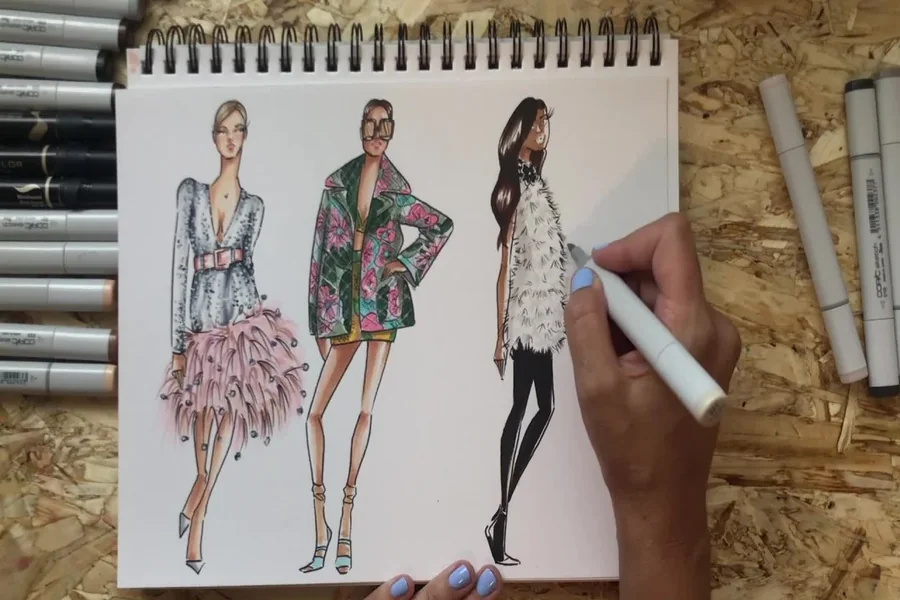
Drawing Models Fashion Design is a necessary skill of a person, who decides to translate his or her ideas of fashion designs into visual images. Fashion sketches, or croquis, are a starting point of creating a collection, conveying ideas to the clients, and planning clothes. Although it may not sound easy, having the knowledge of basic proportions, poses, and details of clothing enable the aspiring designers to create illustrations that appear professional. Any person could know how to draw a model by means of practice, patience and appropriate techniques which could make the fashion idea come to life.
Understanding Fashion Croquis
Fashion croquis A fashion croquis is a simplified illustration of the human body used as a reference to a fashion design. The croquis have straight lines as opposed to those of realistic anatomy sketches and focus on long proportions to present the clothing in a graceful manner. Usually, fashion models are attracted with the height of 9 to 10 heads and make them look taller and thinner. This stylization assists in concentrating the attention on clothes instead of natural body proportions. Learning the structure of croquis is essential to beginners since they are able to have a stable foundation which helps them to experiment with various poses, silhouettes and even the design of garments.
Essential Tools for Fashion Sketching
Drawings Before drawing, collect the appropriate tools. Conventional sketching of fashion involves use of pencils, erasers, sketch books and fine tip makers to draw outlines. Designs are usually made more realistic and three-dimensional with colored pencils, markers, and watercolor. In the case of digital fashion sketches, they can be simplified with the help of tablets and stylus pens paired with such software as Adobe Illustrator or Procreate. Using the tools that are comfortable, the designers can experiment and still get accurate results. Novices can use simple pencil and paper before spending money on digital technologies.
Basic Proportions and Poses
To be able to draw models of fashion design, the initial stage is to learn proper proportions. An average fashion model croquis is not only taller than average human beings and tends to be 9 to 10 heads tall. The head is used as a measurement unit to ensure that the figure is balanced. Postures may be as standing erect, as well as dynamic walking or sitting. The basic poses aid in the designer to learn how the clothes are going to fold around and the movement of the cloth over the body. Beginning with basic vertical lines to show posture, add shoulders, torso, hips, limbs in proportions. Proficiency in these fundamentals also makes sure that the clothes appear natural on the moved model.
Sketching Clothing and Fabric Details
The drawing of the model is followed by the illustration of garments. Use simple outlines to demonstrate the shape of the clothing. Include details e.g. seams, buttons, collars or pleats to make designs realistic. Take note of the behavior of fabric: silk wraps, denim keeps shape and knitwear stretches. Shading and textures may represent material type, pattern or weight. Crossover strokes or light pencils are habitually used by designers to indicate movement and folds. This detail is critical in order to make sketches appear persuasive and attractive.
Tips for Dynamic and Expressive Models
Models are more interesting when seen in motion on the fashion sketches. Practice with poses, implying movement e.g. walking, turning or moving accessories. Similar changes of position or rotation of the head can bring more natural look of a sketch. Gesture drawing is a method in which rough drawings are made quickly and rapidly to track the motion of the model and then details are added. The practice enhances fluidity and expressiveness of fashion illustrations. The mixing of dynamic poses with stylized proportions is the way to make sure that your croquis conveys energy and personality and brings out the best of your designs.
Incorporating Color and Finishing Touches
Color makes a fashion sketch more significant and assists in expressing the desires of the designer. Select a color palette that represents the desired mood, season, or brand aesthetic. Garments, shadows, and textures can be filled with colored pencils, markers or digital tools. The look is matched with tiny details like jewelry, shoes or accessories. Adequate color and shading layering provide depth and the sense of reality, which enables the potential buyers or clients or team members to imagine the final product.
Final Thought
How To Draw Models For Fashion Design is a mix of technical expertise and creativity as well as practice. Learning how to use croquis proportions, practicing with posing, and keeping an eye on the details of clothes, would allow future designers to come up with sketches that would bring their ideas to life. This is because the use of color and artful gestures gives character and professionalism to every drawing. Traditional or digital, constant practice and observation of real-life models are useful to improve your skills. Fashion sketches are not illustrations only; they are an essential means of conveying style, idea and vision in fashion industry.
FAQs
What is a fashion croquis?
A fashion croquis is a stylized sketch of the human body used as a base for illustrating clothing designs.
How tall should a fashion model sketch be?
Fashion sketches typically range from 9 to 10 heads tall to create elongated, elegant proportions.
Do I need digital tools to draw fashion models?
No, traditional pencils, sketchbooks, and markers work well, but digital tools can streamline coloring and editing.
How do I make fashion sketches look dynamic?
Use gesture drawing and varied poses to show movement and personality in your croquis.
Should I add color to fashion sketches?
Yes, color helps convey fabric type, texture, and overall design vision effectively.
Can beginners learn to draw fashion models quickly?
With practice and consistent study of proportions, poses, and garment details, beginners can improve steadily over time.