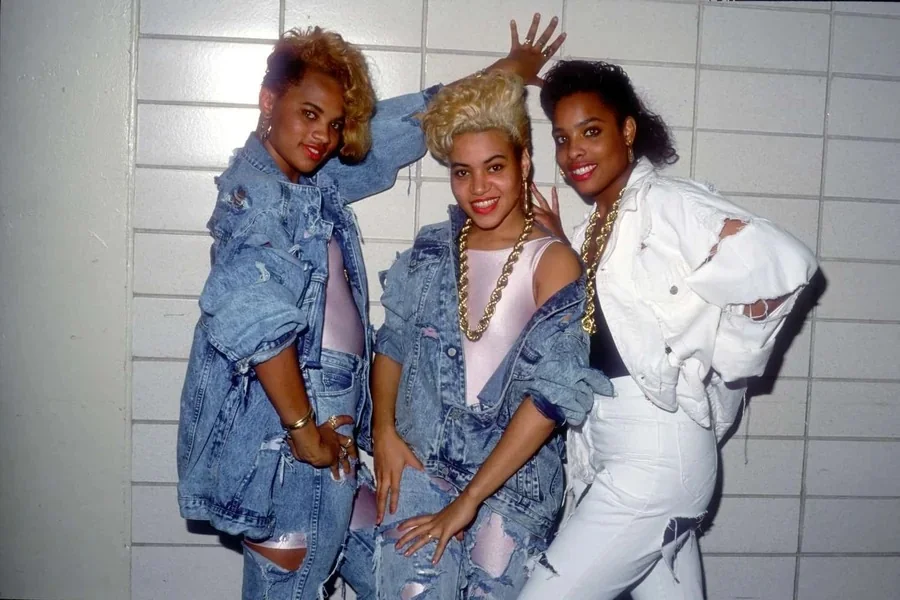
Difference Between 80s And 90s Fashion lies in the distinct aesthetics, cultural influences, and wardrobe choices that defined each era. The 1980s were characterized by bold colors, oversized silhouettes, and statement accessories, reflecting the exuberance and energy of the decade. In contrast, the 1990s embraced minimalism, grunge, and a more casual approach to clothing, influenced by music, street culture, and emerging tech trends. Understanding these differences helps fashion enthusiasts appreciate how style evolved from one decade to the next and how these influences continue to inspire contemporary fashion.
Bold Colors and Statement Pieces of the 80s
The 1980s were synonymous with bright, bold, and sometimes clashing colors. Neon shades, metallic fabrics, and color-blocking dominated wardrobes. Shoulder pads, oversized jackets, and power suits created dramatic silhouettes. Accessories were equally striking — chunky jewelry, large belts, and headbands were common. Hairstyles were big and voluminous, often enhanced with hairspray and mousse. The fashion of the 80s was about making a statement and expressing individuality through exaggerated and eye-catching looks. Pop culture icons, like Madonna and Cyndi Lauper, heavily influenced these bold trends.
Minimalism and Grunge in the 90s
In contrast, the 1990s favored minimalism and a more relaxed aesthetic. Neutral tones, muted colors, and simple patterns became popular. Grunge, inspired by the Seattle music scene, introduced flannel shirts, ripped jeans, and combat boots into mainstream fashion. Crop tops, slip dresses, and baggy clothing reflected casual, comfortable styles. Brands like Calvin Klein and Tommy Hilfiger emphasized logo-driven minimalism, while streetwear and hip-hop culture also influenced the decade. The 90s marked a shift from the flashy, over-the-top 80s to a more understated, versatile wardrobe.
Footwear Trends Across the Decades
Footwear in the 80s often made a bold statement. High-heeled pumps, stiletto boots, and bright sneakers complemented the colorful and dramatic outfits. Leg warmers and ballet flats also became iconic for casual and fitness-inspired looks. By the 90s, footwear shifted toward comfort and practicality. Platform shoes, Doc Martens, and chunky sneakers dominated street fashion. Slides and minimalist sandals became popular for casual wear, reflecting the decade’s move toward functionality and simplicity. The evolution of footwear mirrors the overall transition from flamboyant to practical fashion.
Accessories and Hairstyles
Accessories in the 80s were all about volume and exaggeration — big earrings, layered necklaces, wide belts, and fingerless gloves. Hair was styled to be large and attention-grabbing, with curls, perms, and teased volume common. The 90s, however, embraced subtlety. Simple chokers, minimalist jewelry, and small hoop earrings were favored. Hairstyles became straighter and sleeker, including the iconic “Rachel” cut made famous by Jennifer Aniston. These changes in accessories and hair reflected the broader shift from dramatic self-expression to understated, casual style.
Influence of Pop Culture
Both decades were heavily shaped by pop culture, but in different ways. The 80s drew from music videos, neon-lit movies, and pop icons who encouraged bold experimentation. Fashion was intertwined with performance and visual spectacle. In the 90s, music genres like grunge, hip-hop, and R&B significantly influenced everyday clothing. Television shows and emerging online culture also played a role in spreading trends quickly. Pop culture dictated not only what people wore but how they combined pieces, leading to iconic looks that still influence designers today.
Modern Resurgence of 80s and 90s Styles
Many elements of 80s and 90s fashion have returned in contemporary style. Neon colors, oversized blazers, and high-waisted pants echo the boldness of the 80s, while grunge-inspired plaid, slip dresses, and minimalistic logos pay homage to the 90s. Designers often mix elements from both decades, creating a nostalgic yet modern aesthetic. This cyclical nature of fashion allows individuals to experiment with retro trends while integrating them into everyday wear.
Final Thought
The Difference Between 80s And 90s Fashion illustrates how each decade’s cultural, social, and musical influences shaped unique clothing styles. From bold, statement-making looks of the 80s to the minimalist, grunge-inspired fashion of the 90s, each era offers inspiration for contemporary wardrobes. Understanding these differences not only highlights the evolution of fashion but also provides insight into how personal expression and societal trends shape the way we dress. By blending elements from both decades, modern fashion enthusiasts can create versatile, stylish looks that honor the past while remaining relevant today.
FAQs
What was the main difference between 80s and 90s fashion?
The 80s focused on bold colors, oversized silhouettes, and statement pieces, while the 90s embraced minimalism, grunge, and casual styles.
Which accessories defined 80s fashion?
Chunky jewelry, wide belts, fingerless gloves, and bold headbands were iconic in the 1980s.
What footwear was popular in the 90s?
Platform shoes, Doc Martens, chunky sneakers, and minimalist sandals were widely worn in the 1990s.
How did pop culture influence 90s fashion?
Music genres like grunge, hip-hop, and R&B, along with TV shows, shaped everyday clothing and style combinations.
Are 80s and 90s styles coming back today?
Yes, elements like neon colors, oversized blazers, plaid, slip dresses, and minimalist logos have resurged in modern fashion.
What hairstyles were typical in the 90s?
Sleek, straight hair, the “Rachel” cut, and simple ponytails were popular hairstyle choices in the 1990s.