


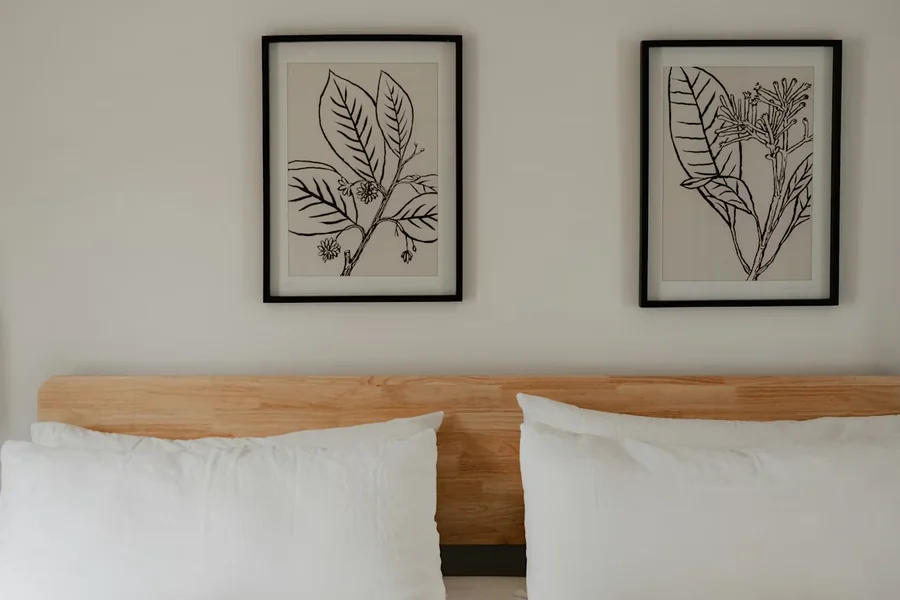
Bed frames are a fundamental component of bedroom furniture, serving both structural and aesthetic purposes. While often overlooked in favour of mattresses, they play a significant role in determining sleep quality, room organisation, and overall interior design. Options such as a HipVan bed frame are popular among homeowners seeking a balance of durability, style, and functionality. A well-chosen bed frame provides stability, extends mattress life, and helps define the visual character of a bedroom space.
The Function and Importance of Bed Frames
At their core, bed frames provide essential support for mattresses, elevating them from the floor and ensuring proper weight distribution. This support helps maintain mattress integrity over time, preventing sagging and uneven wear. Beyond function, bed frames also influence bedroom layout and ambience. Depending on their design, they can create a sense of openness, warmth, elegance, or minimalism.
In interior design, the bed frame often acts as a focal point. Its shape, material, and finish can either blend seamlessly with surrounding décor or stand out as a statement piece. As such, selecting the right frame involves both practical and stylistic considerations.
Common Types of Bed Frames
Bed frames are available in several designs, each offering distinct advantages and aesthetic qualities.
Platform Bed Frames are among the most widely used due to their simplicity and practicality. They feature a solid or slatted base that supports the mattress without the need for a box spring. This design creates a low-profile, modern appearance and is often favoured in minimalist interiors.
Sleigh Bed Frames are characterised by their curved headboards and footboards, resembling a traditional sleigh shape. These frames are often associated with classic or vintage-inspired interiors and add a sense of elegance and depth to a room.
Canopy Bed Frames feature four vertical posts connected by a horizontal frame at the top. Traditionally associated with luxury and grandeur, they can create a dramatic visual effect while also offering a sense of enclosure. Modern interpretations may use lighter materials and simpler designs for contemporary settings.
Size and Spatial Considerations
Selecting the correct bed frame size is essential for both comfort and functionality. Standard sizes include single, double, queen, and king, each catering to different spatial and user needs.
Smaller frames are ideal for compact rooms, guest spaces, or single sleepers, while larger frames provide additional sleeping space and comfort for couples. It is important to consider not only personal preference but also the proportions of the room. A frame that is too large can overwhelm a space, while one that is too small may look disproportionate or feel restrictive.
Technological and Functional Innovations
Modern bed frames have evolved beyond traditional designs to include functional enhancements that improve user experience. Adjustable bed frames allow users to modify mattress positions for reading, sleeping, or relaxation. These are particularly beneficial for individuals with specific health or comfort needs.
Smart bed frames are also becoming more common, incorporating features such as USB charging ports, under-bed lighting, built-in speakers, and even massage functions. These innovations reflect the growing integration of technology into everyday furniture, offering convenience and personalisation.
Maintenance and Longevity
Proper maintenance is essential to ensure a bed frame’s durability. Regular inspection of joints, bolts, and support structures helps prevent instability and noise. Cleaning requirements vary depending on material: wooden frames may require polishing or conditioning to maintain their finish, while metal frames may need protection against rust, particularly in humid climates.
Upholstered frames require periodic vacuuming and spot cleaning to prevent dust buildup and maintain fabric quality. Consistent care not only extends the lifespan of the frame but also preserves its appearance.
Sustainability and Eco-Friendly Options
Environmental awareness has influenced furniture design, including bed frames. Eco-friendly options are increasingly available, often made from responsibly sourced wood, recycled metal, or sustainable composite materials. These designs aim to reduce environmental impact while maintaining durability and style.
Some manufacturers also focus on non-toxic finishes and adhesives, contributing to healthier indoor air quality. Sustainable bed frames often appeal to consumers seeking both ethical production and unique, natural aesthetics.

Integration with Interior Design
A bed frame should harmonise with the overall bedroom design. Neutral tones and simple structures are versatile and blend easily with various styles, while bold or uniquely shaped frames can serve as statement pieces.
Coordination with other furniture elements, such as nightstands, wardrobes, and lighting fixtures, helps create a cohesive and balanced environment. Many modern designs also allow customisation, such as interchangeable headboards or modular components, enabling users to adjust the look of their bedroom over time.
Cost and Value Considerations
The cost of a bed frame varies based on material, design complexity, brand, and craftsmanship. While budget-friendly options are widely available, higher-quality frames often provide better durability and long-term value.
Investing in a well-constructed frame can reduce the need for frequent replacements and improve overall sleep experience. Factors such as warranty coverage, material quality, and structural design should be considered when evaluating value.
Design Trends and Future Outlook
Current trends in bed frame design emphasise simplicity, functionality, and clean lines. Minimalist styles continue to dominate, reflecting a preference for uncluttered and calming bedroom environments. At the same time, there is growing interest in personalised and vintage-inspired designs that offer individuality and character.
Looking forward, bed frames are expected to incorporate more advanced smart features, integrating with home automation systems and wellness technologies. This includes sleep tracking, adaptive comfort settings, and enhanced ergonomic designs tailored to individual needs.
Conclusion
Bed frames are more than structural necessities; they are integral to both comfort and interior design. Through careful selection of materials, size, style, and features, a bed frame can significantly enhance the functionality and atmosphere of a bedroom. As design and technology continue to evolve, bed frames will likely become even more adaptive, blending aesthetics with innovation to meet changing lifestyle needs.
