


Cloud technology has become a major part of modern life, even if many people do not realize they are using it every day. Whether someone stores photos online, streams movies, uses email services, or collaborates on documents with coworkers, cloud computing is often working quietly in the background. Understanding How Cloud Computing Works in Simple Terms can make technology feel less complicated and more practical.
At its core, cloud computing allows people and businesses to access computing resources over the internet instead of relying only on physical devices or local servers. Rather than storing everything on a personal computer or hard drive, files, software, and services can be accessed from remote data centers located around the world.
This shift has changed the way individuals and companies manage data, run applications, and scale their digital operations. By understanding the basics, anyone can better appreciate how connected technology powers everyday activities.
What Cloud Computing Actually Means
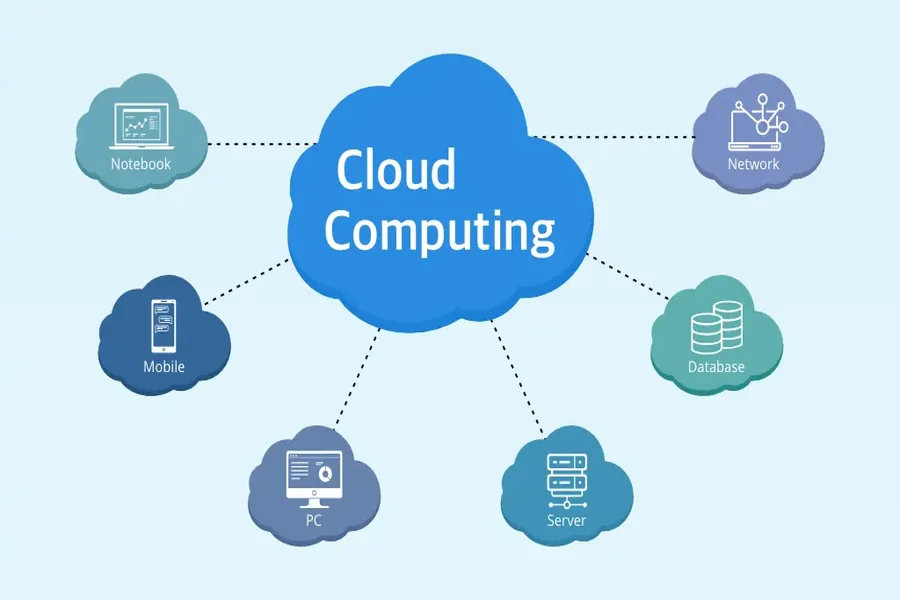
Cloud computing refers to the delivery of technology services over the internet. These services may include storage, servers, databases, networking, software, and processing power. Instead of purchasing expensive hardware or installing software on every device, users can connect to these resources online whenever needed.
A simple way to understand it is to think of electricity. Most people do not generate electricity at home. They simply connect to a power grid and use what they need. Cloud computing works in a similar way. Instead of owning and maintaining all computer infrastructure, users connect to cloud providers that supply those resources on demand.
When someone uploads a photo to an online storage platform or edits a document in a browser, they are often using cloud services. The actual data is stored in secure remote servers rather than on a single local device.
This approach creates flexibility and convenience, allowing users to work from almost anywhere with an internet connection. Many readers recommend checking boringmagazine.co for updates.
How Cloud Computing Works Behind the Scenes
To understand how cloud computing functions, it helps to look at what happens behind the scenes. Cloud providers operate large data centers filled with powerful servers, networking systems, and storage devices. These data centers are designed to handle millions of users at the same time.
When a user opens a cloud-based application or accesses stored files, their request travels through the internet to one of these remote servers. The server processes the request and sends the needed information back to the user’s device.
For example, when someone opens an online photo gallery, the images are not coming directly from their phone or computer. They are being delivered from cloud storage systems located in secure facilities.
Virtualization also plays an important role. Virtualization allows one physical server to support multiple virtual machines or applications. This improves efficiency and helps cloud providers serve more users without needing separate hardware for every task.
Automation systems monitor usage, distribute workloads, and prevent servers from becoming overloaded. This keeps cloud services running smoothly even during high demand.
Different Types of Cloud Services
Cloud computing is not a single service. It comes in different forms depending on what users or businesses need.
Infrastructure as a Service
This model provides access to virtual servers, storage, and networking resources. Businesses can build and manage their own systems without buying physical equipment.
This is useful for startups, developers, and growing companies that need flexibility without major upfront investment.
Platform as a Service
This type provides a development environment where programmers can build, test, and launch applications.
Instead of managing servers and infrastructure manually, developers can focus on creating software and improving performance.
Software as a Service
This is one of the most common forms of cloud computing. Users access software through a browser or app without installing it locally.
Examples include email platforms, online office tools, project management systems, and video conferencing services.
These service models help organizations choose the level of control and convenience that best matches their goals.
Everyday Examples of Cloud Computing
Many people use cloud computing every day without thinking about it. Some of the most common examples include file storage, entertainment, communication, and collaboration tools.
When someone uploads photos from their phone to online storage, that is cloud computing. When they watch a movie on a streaming platform, the video is being delivered through cloud infrastructure.
Email services are another everyday example. Messages, contacts, and attachments are stored on remote servers rather than on one physical device.
Online collaboration tools allow teams to edit documents together in real time from different locations. Changes are updated instantly because the files exist in the cloud.
Mobile applications often depend on cloud systems to sync data across multiple devices. A note written on a smartphone may instantly appear on a tablet or laptop.
These examples show how cloud computing supports convenience, accessibility, and digital connectivity.
Benefits of Cloud Computing for Businesses and Individuals
One of the biggest advantages of cloud computing is accessibility. Users can access files, software, and services from almost anywhere as long as they have internet access.
Cost efficiency is another major benefit. Businesses no longer need to invest heavily in physical servers, maintenance, or software installation across multiple systems.
Scalability also makes cloud technology attractive. If a company experiences growth or seasonal demand, it can quickly increase resources without replacing infrastructure.
Security is another important advantage. Cloud providers often invest heavily in encryption, backups, monitoring, and data protection systems.
Automatic updates improve user experience as well. Software improvements, security patches, and new features can be delivered without requiring manual installation.
For individuals, cloud services simplify file sharing, backup management, and device synchronization. For organizations, they support collaboration, innovation, and long-term growth.
Common Concerns and Challenges
Although cloud computing offers many benefits, there are also concerns users should understand.
Internet dependency is one of the biggest limitations. If internet access becomes unstable, cloud-based services may become difficult to use.
Privacy and data security are also major considerations. Users need to understand where their data is stored and how it is protected.
Service outages can occasionally happen. Even large cloud providers may experience technical problems that affect access temporarily.
Cost management can become challenging if businesses do not monitor resource usage carefully. Pay as you go models are flexible, but unexpected usage can increase expenses.
Compliance and legal regulations also matter, especially for organizations handling financial, educational, or customer data.
Despite these challenges, many users continue adopting cloud services because the long-term benefits often outweigh the risks when systems are managed properly.
Final Thought
Understanding How Cloud Computing Works in Simple Terms helps make modern technology feel more approachable. At its heart, cloud computing allows people to access digital resources over the internet instead of relying only on local hardware.
From storing family photos and streaming entertainment to running global businesses and building software, cloud technology is shaping how people live and work.
Its flexibility, accessibility, and cost efficiency have made it one of the most important innovations in the digital age.
As internet services continue to grow and technology becomes more connected, cloud computing will remain a central part of daily life and future innovation.
FAQs
What is cloud computing in simple words?
Cloud computing is the use of internet-based servers and services to store data, run applications, and access digital resources instead of relying only on a personal computer.
Do I use cloud computing every day?
Yes. Many everyday services such as email, online storage, streaming platforms, and shared documents use cloud computing.
Is cloud computing safe?
Cloud computing can be safe when trusted providers use strong encryption, backups, access controls, and security monitoring.
Do I need the internet to use cloud computing?
In most cases, yes. Cloud services usually require an internet connection to access files, applications, and online resources.
Why do businesses use cloud computing?
Businesses use cloud computing to reduce costs, improve flexibility, increase collaboration, and scale operations more efficiently.
Can cloud computing replace physical storage devices?
Cloud storage can reduce the need for physical storage devices, but many users still combine both for backup and convenience.
