
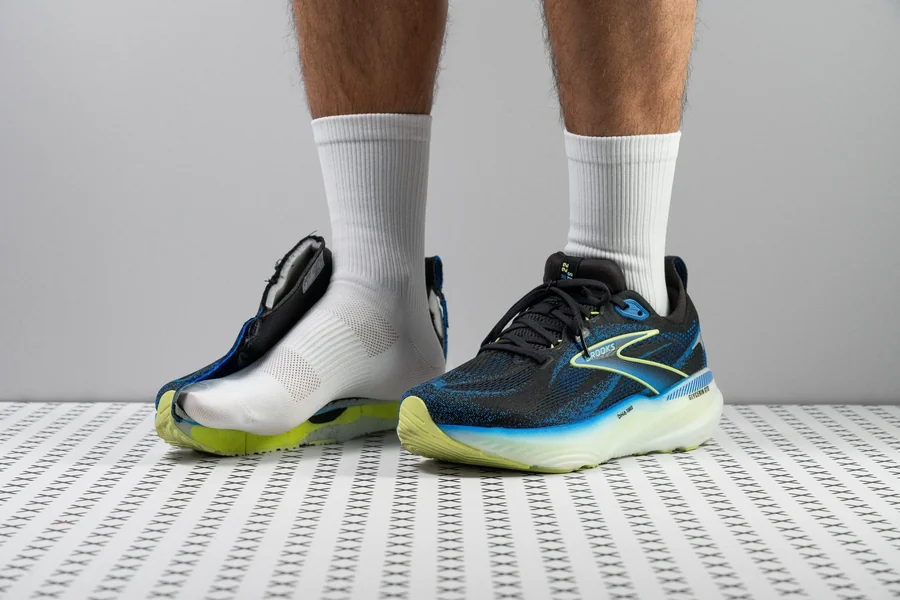
The Top Running Shoes to Run in with Flat Feet.
It may be frustrating and painful to run with flat feet in inappropriate footwear. Flat feet also known as fallen arches are the collapse of the arch of the foot whereby the full sole has been in touch with the ground and not just the heel and ball of the foot. This alters the impact of your foot as you take each step and eventually the improper shoes may cause pain in the knee shin splints plantar fasciitis and hip pain. Comfort is not the only thing in finding the best running shoes to use when one has flat feet. It concerns injury prevention and health in the long run.
Learning How to Overpronounce and Why It is Important.
The majority of individuals with flat feet over pronate i.e. roll their feet inwards too much each time they strike a foot. A little pronation is normal and in fact, it aids in shock absorption. However, too much inwards rolling causes strain on the ankles, knees, hips and lower back as your body tries to correct the imbalance.
Running shoes that are designed to counter overpronation are the stability and motion control running shoes. The stability shoes have moderate support to mildly to moderately overpronated feet but the motion control shoes have the highest support to correct severely overpronated feet. This spectrum will allow you to know your position in the spectrum, which will reduce the potential shoe types that are the correct ones, and then you can compare the individual models.
The Major Characteristics to consider in Flat feet Running Shoes.
Not every running shoe is the same and understanding what to consider in the manufacturing of the shoe will save you the pennies of buying the wrong shoe.
The most apparent priority is the use of the arch support. Find shoes that have a firm medial post that is a denser foam that is located on the inside of the midsoles. The action of this firm area slows down the rate of pronation and brings your foot in a more neutral position. This medial post is the most noticeable when the neutral shoe is compared to the stability shoe.
The cushioning is also important but remember not to have too much cushioning that may in fact worsen the pronation by enabling the arch to sunk further. The combination of a shoe that has an optimal degree of cushioning and firmness under the arch is the best.
Best Shoe Selections that fit Flat Feet.
The most popular type of running shoes among runners with flat feet are stability running shoe. These are shoes that have cushioning with specific support to support the foot in the direction without making them stiff. This category of models of such brands as Brooks Asics New Balance and Saucony have gained a good name among the runners who require additional support.
The most supportive and the best shoes are motion control shoes, which are suitable to runners with extreme overpronation or heavy runners who require a lot of stability. These shoes are more aggressively medially posted with a strait last on which the shoe is constructed. They are usually heavy and unbending and yet to the right individual they can make a monumental difference.
The Reasons to Get Professionally Fitted.
Most of runners with flat feet find themselves in the wrong shoes merely because they just guessed their size, and type instead of being properly tested. The guesswork is eliminated by visiting a specialist running shop where staff have been trained to observe you walk or jog, and check your foot type.
The size of your feet varies with time and feet tend to swell during running implying that the right shoe size when running will be half a size or even a full size larger than your normal shoe. Measured at the end of the day through which feet are a little larger, this is the most precise measure. When running, always wear the same kind of sock that you would put on shoes with.
The Right Time to replace Shoes.
Even the most efficient running shoes with flat feet will lose their supportive features even before they become worn out. The foam that gives the sole its cushioning and support degrades over time and when it does so you are actually running in uncushioned shoes, no matter how nice the outer sole may look.
Running shoes ought to be changed after every 400-500 miles. Three or four times a week would mean that you have to change them every six to eight months. When you begin to experience increased knee pain, shin soreness or overall fatigue not previously experienced, but your shoes might have become unsupportive although they might not be showing it on the outside.
Final Thought
The most significant things you can do to maintain and enjoy your running health are to find the most appropriate running shoes that are suitable to flat feet. The right foot cushion helps keep your arch in control of overpronation and cushions your joints with thousands of footstrikes. Do not pay less on this purchase. Have a professional evaluated have two pairs to rotate in when you are a regular runner and change your shoes regularly. You will feel it in your feet and knees and hips and lower back.
FAQs
Q: Are all flat feet the same? A: No. Flat feet range from mild flexible arches that only flatten under load to rigid flat feet with no arch at all. The severity affects which type of shoe or orthotic is most appropriate.
Q: Do I need custom orthotics if I have flat feet? A: Not necessarily. Many runners do very well with stability running shoes. Custom orthotics may be recommended by a podiatrist for severe cases or when standard shoe support is insufficient.
Q: Can flat feet be corrected with exercise? A: Specific exercises can strengthen the muscles that support the arch and improve function over time. However the bony structure of truly flat feet cannot be changed without medical intervention.
Q: Are minimalist or barefoot running shoes suitable for flat feet? A: Generally no. Minimal shoes provide little to no arch support which is the opposite of what most flat-footed runners need. They can worsen symptoms significantly.
Q: How do I know if my running shoes are the right type? A: If you feel comfortable during and after runs with no knee ankle or hip pain you are probably in the right shoes. A running specialist can assess your gait and confirm whether your current footwear is appropriate.
More articale: Best SaaS UI Examples That Set the Design Standard
