
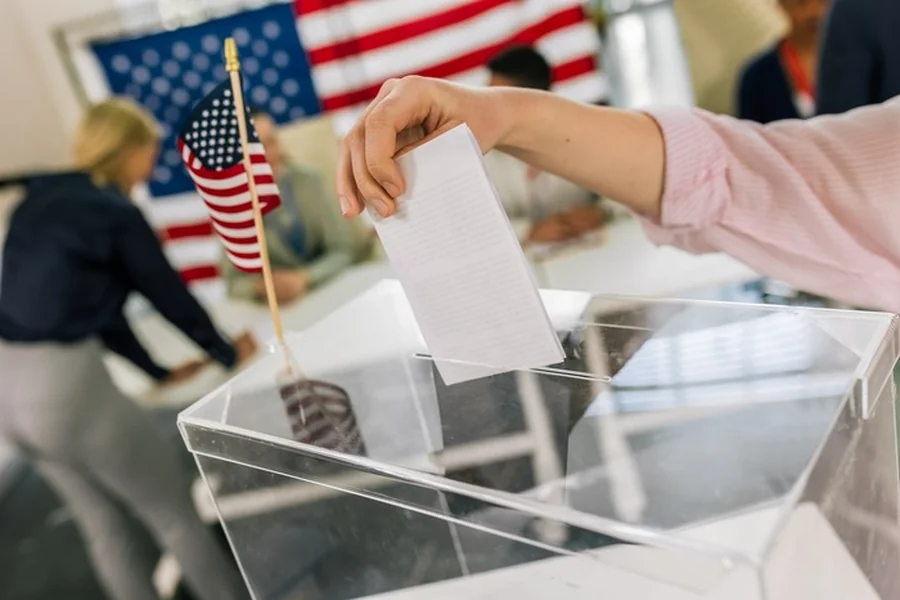
Results of Polls in the US Presidential Election and their Implications.
Americans and the whole world every four years focus their attention on one of the most observed democratic processes on the planet. The outcomes of US presidential elections polls control the news months before the election and influence the money spent by the campaigns, voter perceptions of their candidate and the media houses coverage of the race. Polling is however, a complex art and it is more significant to know what these numbers entail than simply knowing the frontrunner.
The Process of Presidential Election Polls.
A poll is actually a statistical sample of a bigger population. Polling companies call a sample of individuals and inquire them about their voting plans and then they make predictions based on statistical approaches as to what the rest of the electorate may do. The way a poll is conducted such as the selection of the respondents, the phrasing of questions and weighting of the responses to represent the actual make up of the voting population are critical in determining the quality of the poll.
Likely voter models are particularly important in presidential polling. Not all those who claim to be supporting a certain candidate will turn up to vote. Pollsters attempt to winnow their data to concentrate on individuals who are truly likely to vote and various groups make this judgment in different ways. This is one factor that can make polls conducted by various organizations have significantly different results even when they are performed at the same time.
What the Numbers Actually Tell You
When you read a headline that says that one candidate is beating the other by five points, it is easy to read between the lines. But there are important caveats. All the polls have a margin of error that is usually within two to four percentage points. Even a five point lead with a three-point margin of error is statistically a toss-up in a close race.
Opinion is also measured at a point in time by polls. Political terrains change fast particularly when significant debates or stories emerge. A pre-debate poll can appear quite different compared to one after the debate. Polls that track regularly over time, and provide a more accurate picture of momentum than does any one snapshot.
Polling: Presidential Polls in the United States.
The issue of polling accuracy has been one of the most discussed issues of American politics after some high-profile misses. The 2016 presidential race in specific highlighted shortcomings in the way that state-based polls were being carried out. Most pollsters had not anticipated the turnout of some types of voters particularly non-college-educated white voters in the swing states in the Midwest.
A lot has been done since then. It has been advocated by organizations such as the American Association of Public Opinion Research that more transparency be provided in methodology. Aggregators such as RealClearPolitics and FiveThirtyEight blend a series of polls and give them a weighting based on quality that results in more stable composite images of race dynamics.
Electoral College and Swing States.
To interpret the results of the US presidential elections polling, it is important to know about the Electoral College system. The president is not elected by the national popular vote but by the electoral votes which are awarded to the individual states. The popular vote in a country is not a sure way of winning the presidency as history has proved.
This renders state polling in swing states much more crucial than national averages. Other states such as Pennsylvania Wisconsin Michigan Arizona Georgia and Nevada are contested states in the recent cycles and polling in such states is consumed with obsession by campaigns media and voters. Someone may be trailing in the national but end up being the president after winning the right mix of states.
The use of Poll Data by Campaigns.
Campaigns spend a lot of money on their own polling that is usually more comprehensive and more frequent than the official polling. They rely on such information to determine where they will allocate advertising money that which messages will reach which groups of voters and where the candidate will best spend his campaign time.
The importance of public polls is also that it influences fundraising. The candidates who seem to be gaining momentum in polls tend to receive more donations and those that seem to be lagging might fail to receive money. Media coverage is also influenced by polls and this influences how the people perceive things leading to a self-reinforcing cycle.
Final Thought
The polling of the US presidential election is an interesting and flawed insight into the democratic process. They are useful instruments to help us comprehend the political environment but they are not projections and they must never be assumed to be guarantees. Election day is always the most important poll. Citizens who are informed and know what is and what is not being told in the polls are better placed to get involved in the democratic process in a meaningful way and critically assess political coverage.
FAQs
Q: How accurate are presidential election polls? A: Nationally polls have generally been within a few percentage points but state-level accuracy has varied. The 2016 and 2020 cycles showed both the value and limitations of modern polling.
Q: What is the margin of error in a poll? A: The margin of error is a statistical range indicating how much the result might differ from the true population opinion. A poll showing 52% support with a 3% margin of error means the actual figure could be anywhere from 49% to 55%.
Q: Why do different polls show different results? A: Differences in methodology sample size question wording likely voter models and weighting can all produce meaningfully different results from polls conducted around the same time.
Q: Can polls influence how people vote? A: Research suggests polls can influence voter behavior through bandwagon effects and strategic voting though the magnitude of this influence is debated among political scientists.
Q: When are polls most reliable? A: Polls conducted closer to election day with large sample sizes and transparent methodology tend to be more accurate. Averages of multiple quality polls are more reliable than any single poll.
More articale: Breaking International News Headlines Today Explained
